
The Lovable Anti-Hero

Is it merely coincidence that three of Netflix' most popular shows are 'protaganized' by three of the world's most self-interested deviants? I'm referring of course to the three above; Walter White from Breaking Bad, Frank Underwood of House of Cards, and the notorious Don Draper from Mad Men.
Oh and let's not forget:
Jax Teller from Sons of Anarchy Nancy Botwin of Weeds

Dexter of Dexter Tony Soprano of The Sopranos
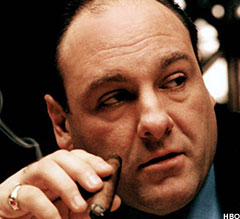

Do we understand the current climate of our television programs?
In one of my first blogs, I laid out the Hero's Journey according theologian Joseph Campbell, and how Don Draper fit into that archetypal model. I stand behind the idea that Don Draper, like most protagonists, follow a similar archetypal journey throughout the plot of a given story. However, somewhere along the way it seems it became good, to be bad.
We love rebellion. Most cult-groups promise some sort of stray from the norm. The Grateful Dead became one of the most universally recognized cult-bands of all time because they offered a lifestyle of sex, drugs, and rock n roll through their music. People with Jeeps can drive far off the beaten path, because they're adventurous and DIFFERENT.
Joseph Campbell wrote "The Hero with A Thousand Faces" in 1949. He argued that almost every story ever written, including Moses' journey through the dessert and myths of ancient Greece and Mesopotamia, had a similar main character plot structure. The profane human becomes a hero, goes on a journey with struggles and abysses, learns a valuable lesson, and returns home, transformed. I believe that the anti-hero television movement aims to stray from this long-established norm.
So thus, we have Walter White dissolving bodies in acid and Frank Underwood pushing his journalist-with-benefits in front of a train. Don Draper is one of the most interesting case studies in turning south because, excluding his nuptial infidelity, he's not always a terrible guy. For the first 2 seasons, Draper doesn't want to cheat on Betty, things are nice at home, and he values his relationship with Bobby and Sally. But at the beginning of the end of his marriage with Betty, Don turns into the monster that we love to watch.
 We can thank Matthew Weiner for this. Weiner won nine Primetime Emmy Awards for his writing on both Mad Men and The Sopranos. Weiner is head-writer and creator of Mad Men. Weiner finished his work on The Sopranos in 2007, the same year Mad Men debuted on AMC. Weiner used the mobster-murderer, Tony Soprano, as the mold in which to cast his new character, Don Draper. Draper became the stage on which Weiner's evil writing could dance. He can cheat, drink, and verbally abuse anyone he pleases upon his throne as creative director. Weiner imagined Don Draper as America, but I see him more as the corrupt King of the states, if we were a monarchy.
Jon Hamm once told Time magazine "People always tell me 'I want to be just like Don Draper.' I ask 'Why? You want to be a miserable drunk?'" We don't really understand why we obsess over these horrible people, other than the fact that they're entertaining and original. Not many of us have the capacity to be so vicious and remain so calm on the exterior. We can only remain fascinated at the vile actions of these fictional characters, because they're so much better than we are at keeping it cool.
